
From Coil to Customer: How We Manufactured 52 Tons of Custom 50×50 Steel Tubes (Steel Processing Case Study)
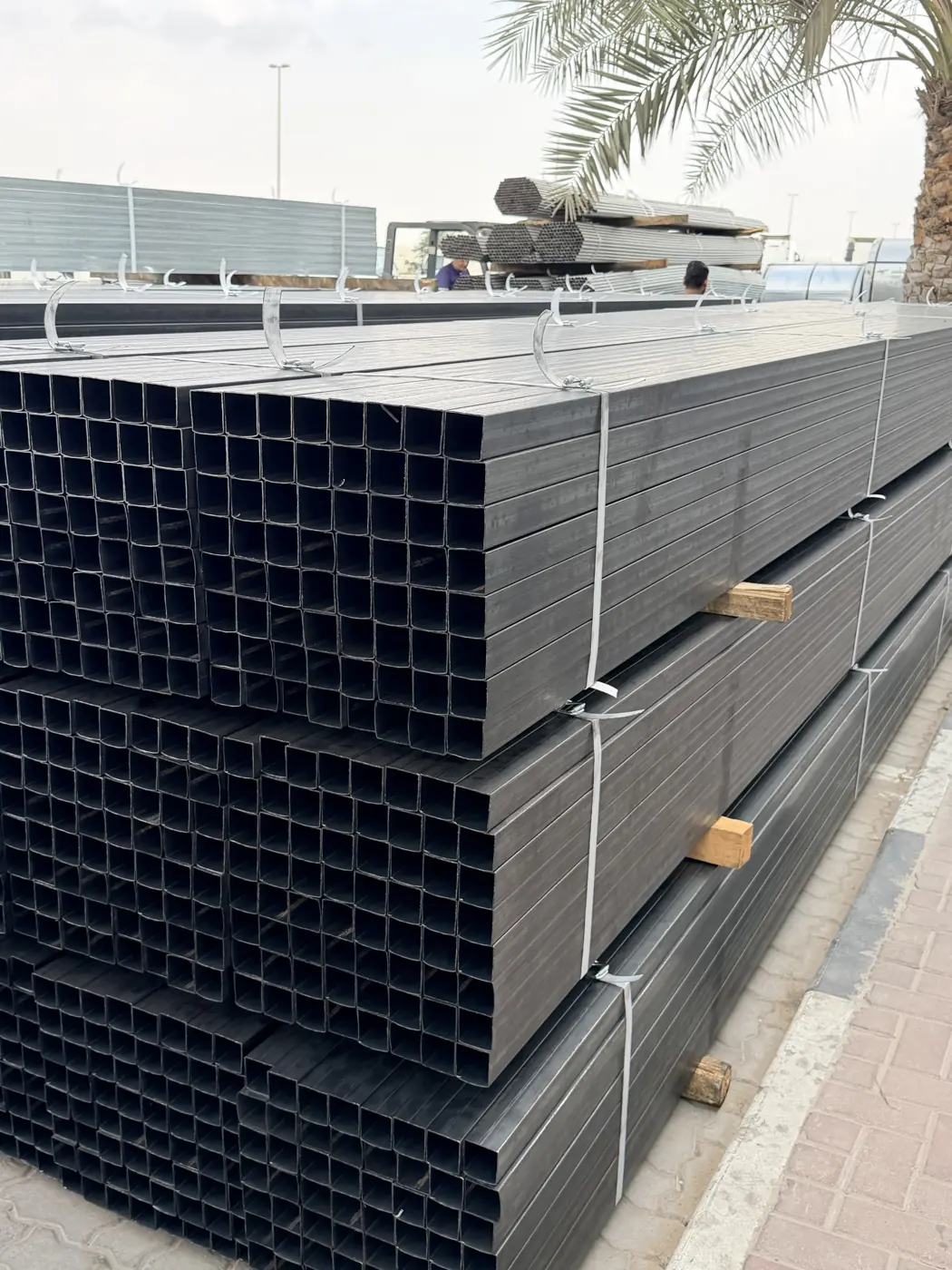
Most steel suppliers will tell you what they sell. Very few will show you what actually happens between the moment a coil arrives and the moment a truck leaves the yard fully loaded.
This post is different. It is a transparent, step-by-step steel processing case study from a real order we recently completed: 52 tons of custom 50×50 square steel tubes, manufactured to a tight thickness range of 0.85 mm to 0.95 mm, and delivered to two separate clients.
I am sharing the full journey: the sourcing, the industrial steel coil slitting, the B2B tube mill production, the quality checks, and yes, the part most companies prefer to hide: the scrap. Honest numbers and honest lessons help buyers, fabricators and engineers make better decisions. And that one lesson about scrap has pushed me to start building something new, which I will share with you at the end.
Whether you are a procurement manager comparing suppliers, a fabricator planning your next project, or an engineer who cares about consistency, I hope this gives you a clear look inside custom steel tube manufacturing as it really happens.
Step 1: Sourcing the Right Raw Material
Every good tube starts with a good coil. For this order, we procured raw steel coils with a standard width of 1220 mm, matched to the thickness range our clients needed.
In B2B steel supply, sourcing is not just about price per ton. It is about:
- Thickness consistency across the full length of the coil
- Surface condition: no deep rust, pitting, or lamination defects
- Edge quality, because damaged edges cause problems during slitting and welding
- Traceability, so every bundle can be linked back to its source coil
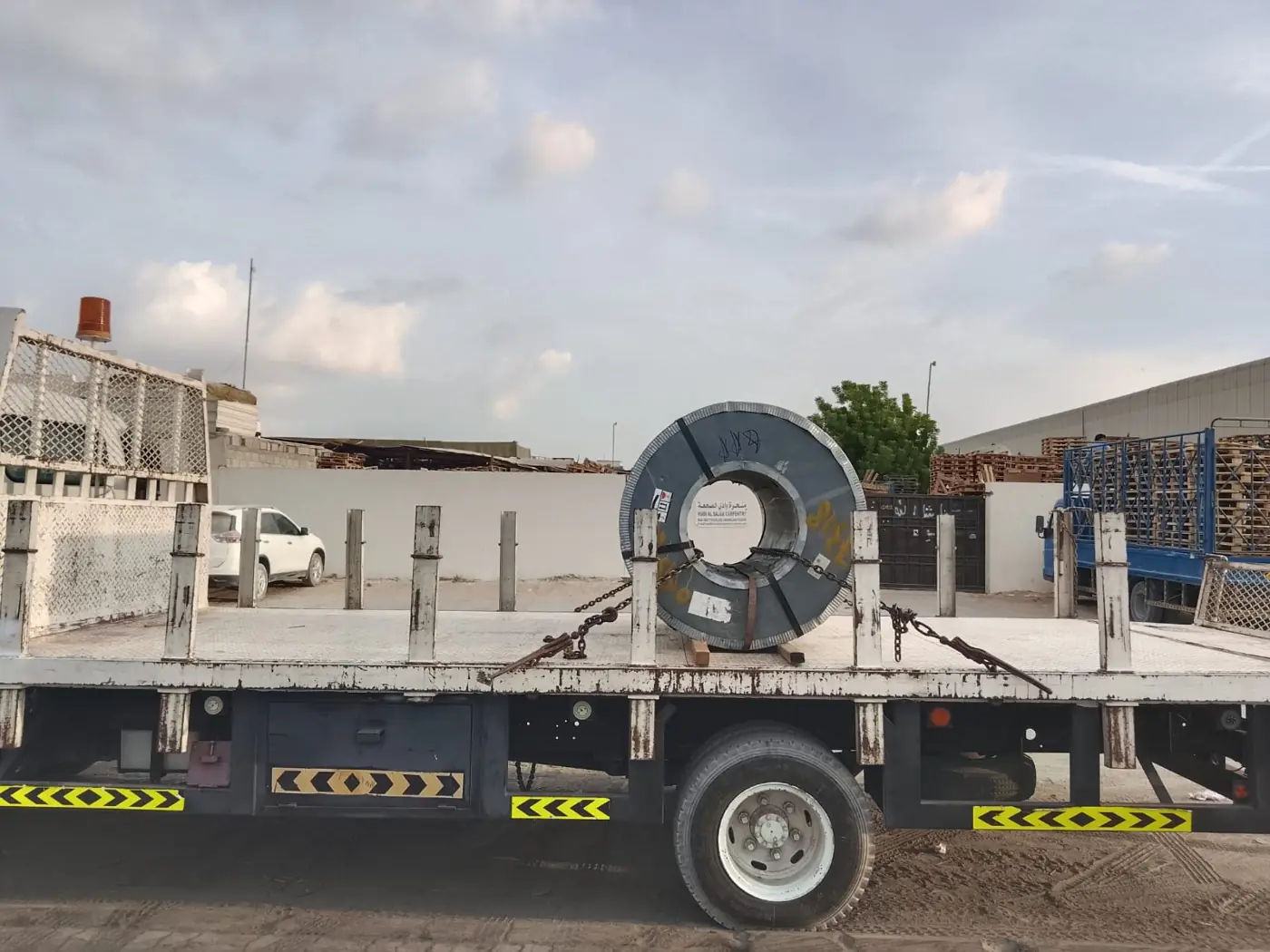
Incoming Inspection: Our First Quality Gate
Before a single coil went to the factory, we inspected each one. We checked the coil labels and weights against documents, measured thickness at multiple points, and looked closely at the surface and edges.
This step matters more than people think. If a coil is out of tolerance, it is far cheaper to catch it at the yard than to discover it after it has been slit and formed into tubes. For an order that required precision thickness steel pipes and tubes, there was no room for guesswork.
Step 2: Industrial Steel Coil Slitting
Once the coils passed inspection, they were sent to the factory for slitting. Industrial steel coil slitting is the process of cutting a wide master coil lengthwise into narrower strips, each sized to the exact width needed to form a specific tube.
For a 50×50 square tube, the strip width is calculated from the tube’s perimeter, adjusted for wall thickness and forming allowance. Every coil was dedicated to one size only: 50×50. Precise strip width means:
- Clean, consistent seam welds
- Accurate outer dimensions on the finished tube
- Sharp, uniform corners on the square profile
Step 3: Precision B2B Tube Mill Production
With the strips ready, production moved to the tube mill. The flat strip passes through a series of forming rolls that gradually shape it into a round section, the edges are welded together, and sizing rolls then form it into the final 50×50 square profile. The tubes were then cut to length and bundled.
On this order, consistency was the main goal. The clients needed uniform 50×50 tubes with a wall thickness held within 0.85 mm to 0.95 mm. That kind of light-gauge, tight-range requirement is common for:
- Light steel frames and partitions
- Furniture and display structures
- Fencing, gates and shading structures
- General fabrication where weight and cost both matter
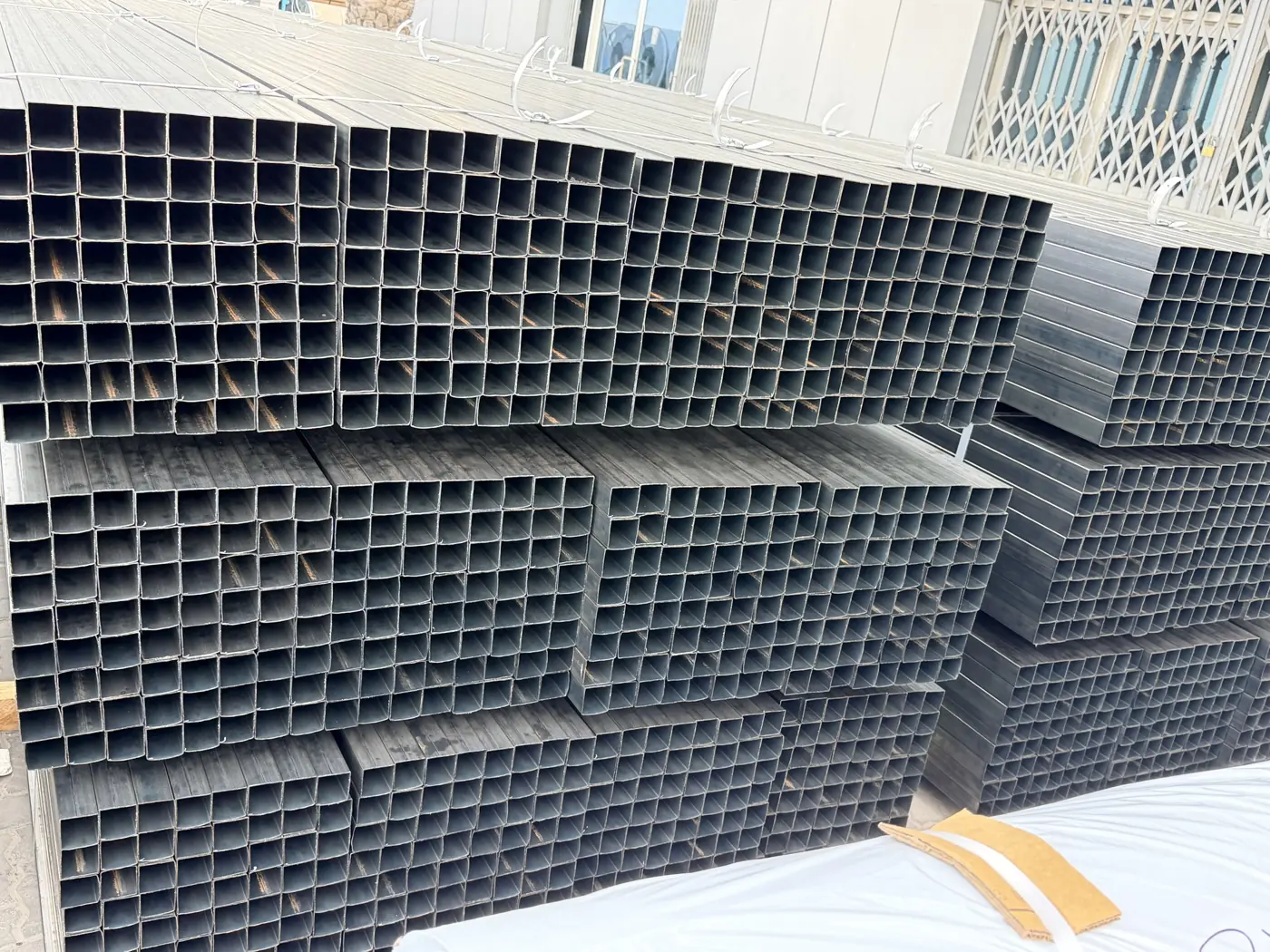
Light-gauge tubes look simple, but they are less forgiving. Small variations in thickness or weld quality show up quickly once a fabricator starts cutting, bending or welding them. That is why we monitored dimensions and wall thickness throughout the run, not only at the end.
Step 4: The Honest Part: Handling the Scrap Challenge
This is where the real learning happened.
A 1220 mm coil is wide. When you slit it for only one tube size, you can fit a fixed number of strips across the width, and whatever is left over at the edge becomes offcut. On this job, because the entire 1220 mm width of every coil was dedicated strictly to 50×50 production, we ended up with higher-than-usual material offcut and scrap.
Why Did This Happen?
In an ideal setup, a slitting pattern combines mixed sizes on the same coil. For example, the leftover width after the 50×50 strips could be used for a smaller tube size, such as 20×20 or 25×25. This is called slitting optimization, or nesting, and it can reduce scrap dramatically. But mixed-size slitting only works if:
- You have confirmed orders (or reliable stock demand) for the other sizes at the same time
- You can calculate the best combination quickly before the coil goes on the line
- The combination keeps all sizes within the same thickness
On this order, the priority was clear: deliver 52 tons of one size, on time, to two clients. We accepted the extra scrap as the cost of speed and focus. But it made one thing obvious to me: steel scrap reduction optimization is not a small detail. Across many coils and many orders, every millimetre of wasted width adds up to real money and real material.
What This Means for Buyers
For procurement managers and fabricators, scrap is not just the supplier’s problem. It quietly affects the price per ton you pay. When a supplier wastes more material, that cost ends up somewhere in the quotation. A supplier who plans slitting smartly can offer more competitive pricing and be more sustainable at the same time.
Step 5: Quality Control & Delivery
After production, every batch went through final checks before dispatch:
- Outer dimensions: confirming the 50×50 profile
- Wall thickness: verifying the 0.85–0.95 mm range
- Straightness and length
- Weld seam condition: no open seams or visible defects
- Bundling and labelling, so each client could easily identify and count their material
Delivering 52 Tons to Two Clients
The full 52-ton custom tube order was successfully completed and delivered evenly to two separate clients. Splitting a large order between two customers requires careful planning: matching quantities, scheduling trucks, and making sure each client receives the same consistent quality from the same production run.
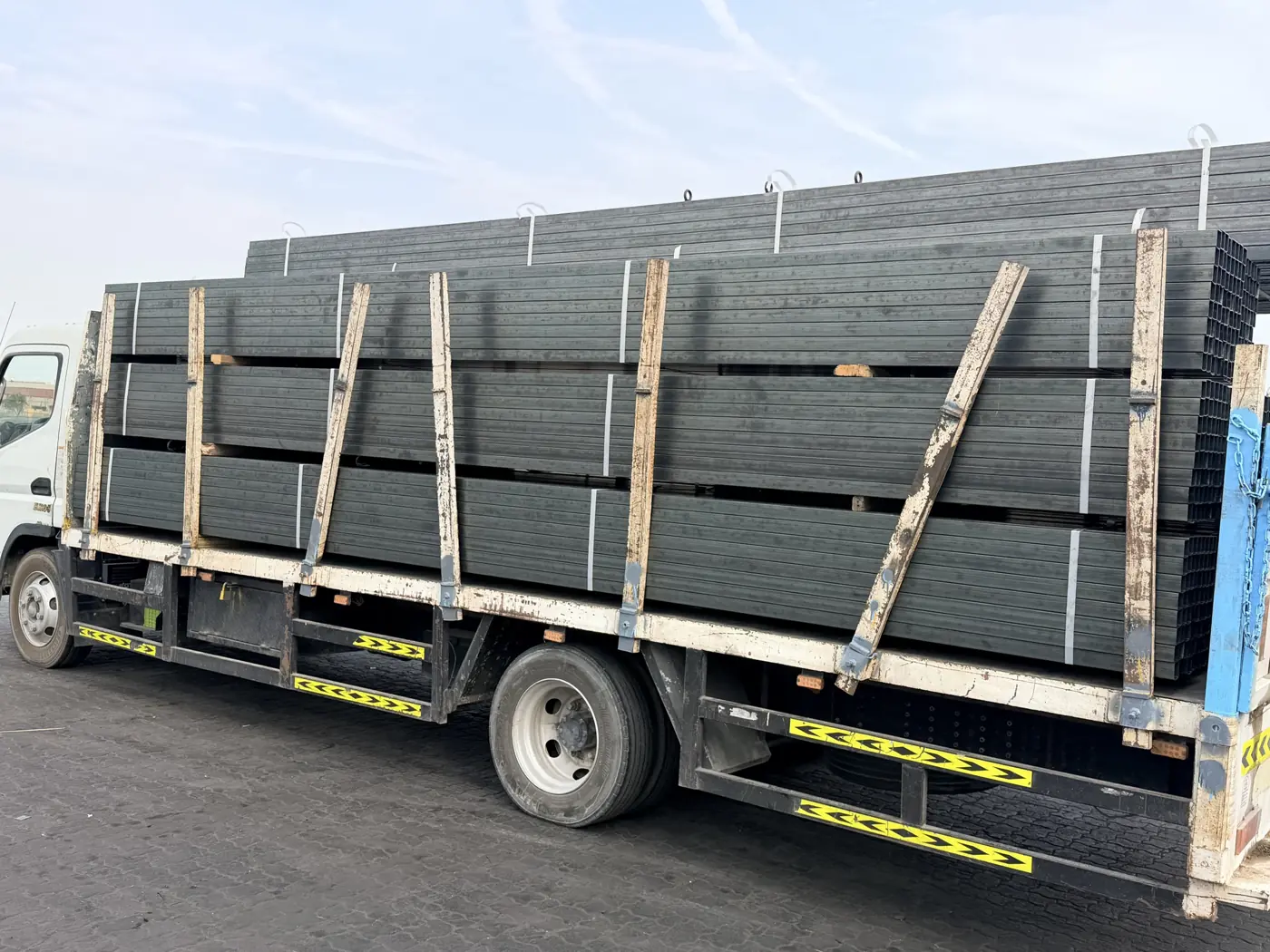
Both deliveries were completed as planned, and that is the result we are most proud of: two satisfied clients, one consistent product, and a lot of lessons learned along the way.
The Future: Zero-Waste AI Coil Slitting & Nesting Calculator
Here is my exclusive update. The scrap we saw on this order is not unique to us. It is a common pain point across the steel processing industry. Many slitting plans are still worked out by hand, on paper, or in basic spreadsheets, which makes it hard to quickly test different combinations and find the one that wastes the least material.
So I have started developing a proprietary tool: the Zero-Waste AI Coil Slitting & Nesting Calculator. The goal is simple: help steel traders, tube makers and fabricators get maximum yield from every coil. The calculator is being designed to:
- Suggest the best mixed-size slitting patterns for a given coil width and thickness
- Show the expected scrap before the coil goes to the factory
- Compare options side by side, so you can choose between speed (single size) and maximum yield (mixed sizes)
- Connect production planning with real orders and stock demand
I believe zero-waste metal fabrication software like this can bring international-standard planning to everyday steel manufacturing, not just for large mills but for small and medium operators too. A dedicated deep-dive post on this software will be published soon. Follow our updates so you don’t miss it.
Key Takeaways
- Sourcing and inspection protect quality before production even begins.
- Industrial steel coil slitting sets the foundation for accurate, well-welded tubes.
- B2B tube mill production of light-gauge tubes needs constant monitoring to hold tight thickness ranges.
- Single-size slitting is fast but creates more scrap; mixed-size nesting can improve yield.
- Smart software is the next step for steel scrap reduction optimization.
Conclusion: Building Better Steel, One Coil at a Time
This 52-ton order was more than a successful delivery. It was a reminder of why I love this industry: every project teaches something new, and every lesson is a chance to do better.
We sourced carefully, inspected every coil, produced precision 50×50 tubes within a tight 0.85–0.95 mm range, and delivered them evenly to two clients. We also faced a real challenge with scrap, and instead of hiding it, I decided to build a solution.
My mission is to bring international-standard quality, transparency and innovation to steel manufacturing here in the UAE and beyond. I can’t do it alone, and that’s where you come in. I would truly love to hear from you:
- Have you faced the same scrap challenge in your slitting or fabrication work?
- What features would you want in a zero-waste coil slitting calculator?
- What other steel processing case studies would you like us to share?
Please leave a comment below, share this post with your network, or reach out to us directly. Your feedback and encouragement mean a lot as we keep pushing forward.
Need custom steel tubes for your next project? Contact Steelcal for custom steel tube manufacturing, square and rectangular tubes, and structural steel supply across the UAE.
📞 Call now: 058 566 7721
💬 WhatsApp us
📍 Dubai Industrial City, UAE · Open daily, 8 AM – 7 PM
Written by Md Amran Hossain, Sales Manager, Ibnee Younus Building & Construction Materials Trading Co. LLC (Steelcal).
